
Hi, I’m Alexander Sousa
I'm an economist working at the intersection of energy markets and the infrastructure being built to meet them — wholesale power prices, data-center load growth, and the U.S. nuclear pipeline.
I read Economics and Romance Studies at Tufts University, with time at the University of Sevilla and Pompeu Fabra in Barcelona. I'm a dual U.S.–EU citizen and fluent in Portuguese and Spanish.
Last summer I was an economic assistant at REMI, quality-assuring the models behind around forty client contracts and presenting a webinar on the economic and fiscal impact of IRA tax-credit reductions across New York, California and Texas.
I'm currently open to roles in energy market intelligence, utility and infrastructure strategy, and consulting.
Find my work
Explore my work
Here you can find my main projects — live dashboards, each with a written case study.
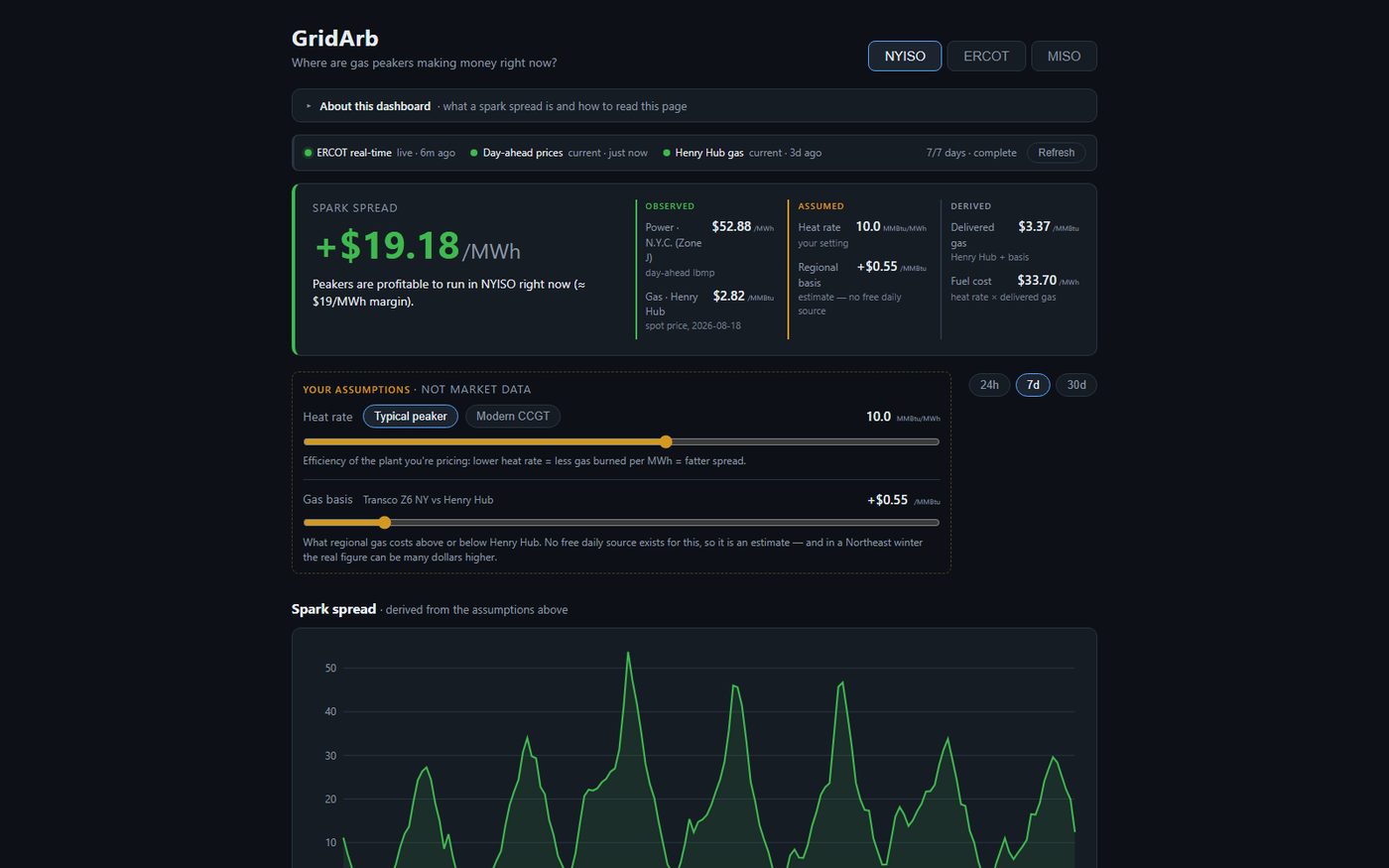
Whether a gas plant makes money today, across three wholesale markets, from live operator data.
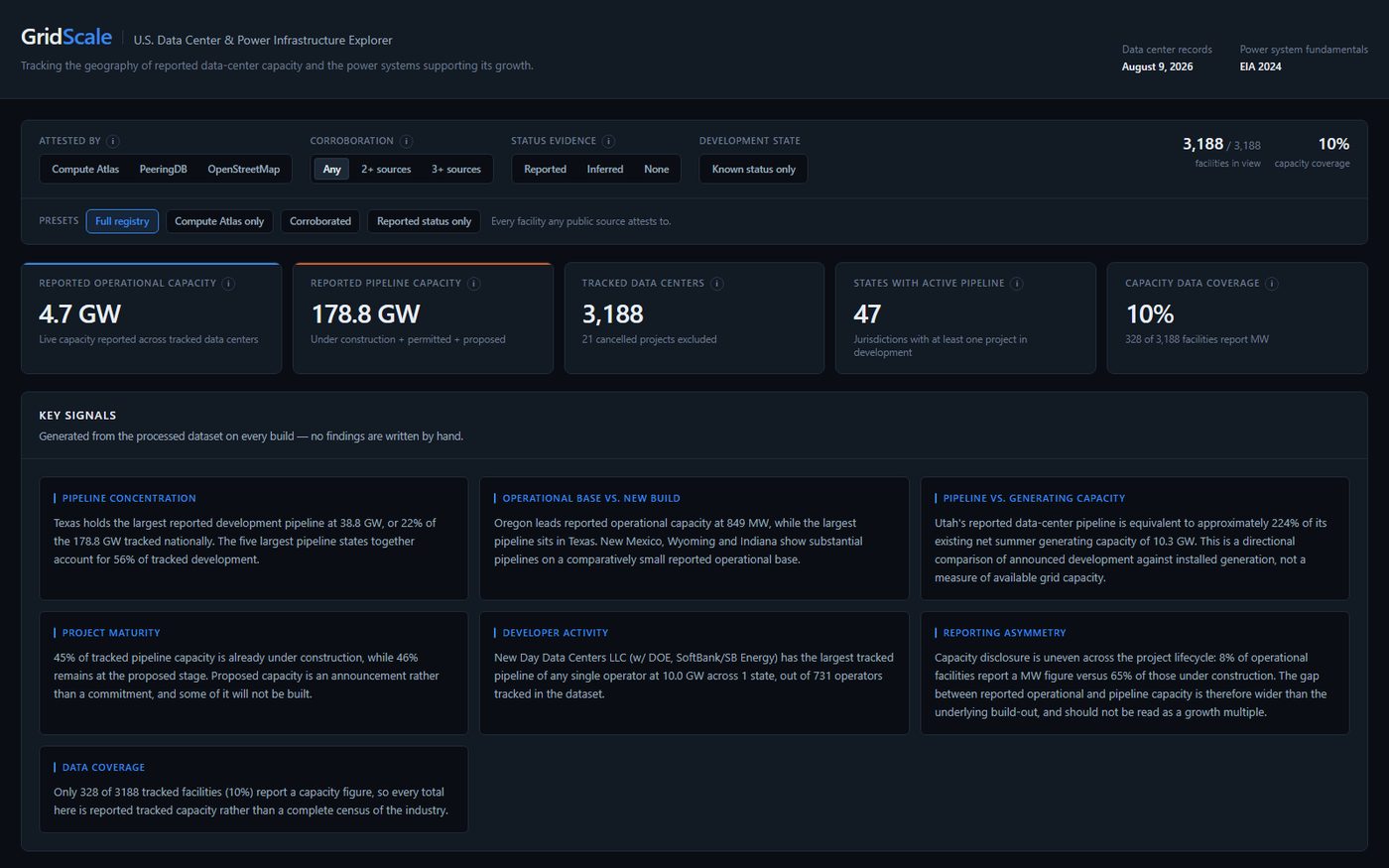
Where the next wave of data-center load is being built, and what it will lean on.
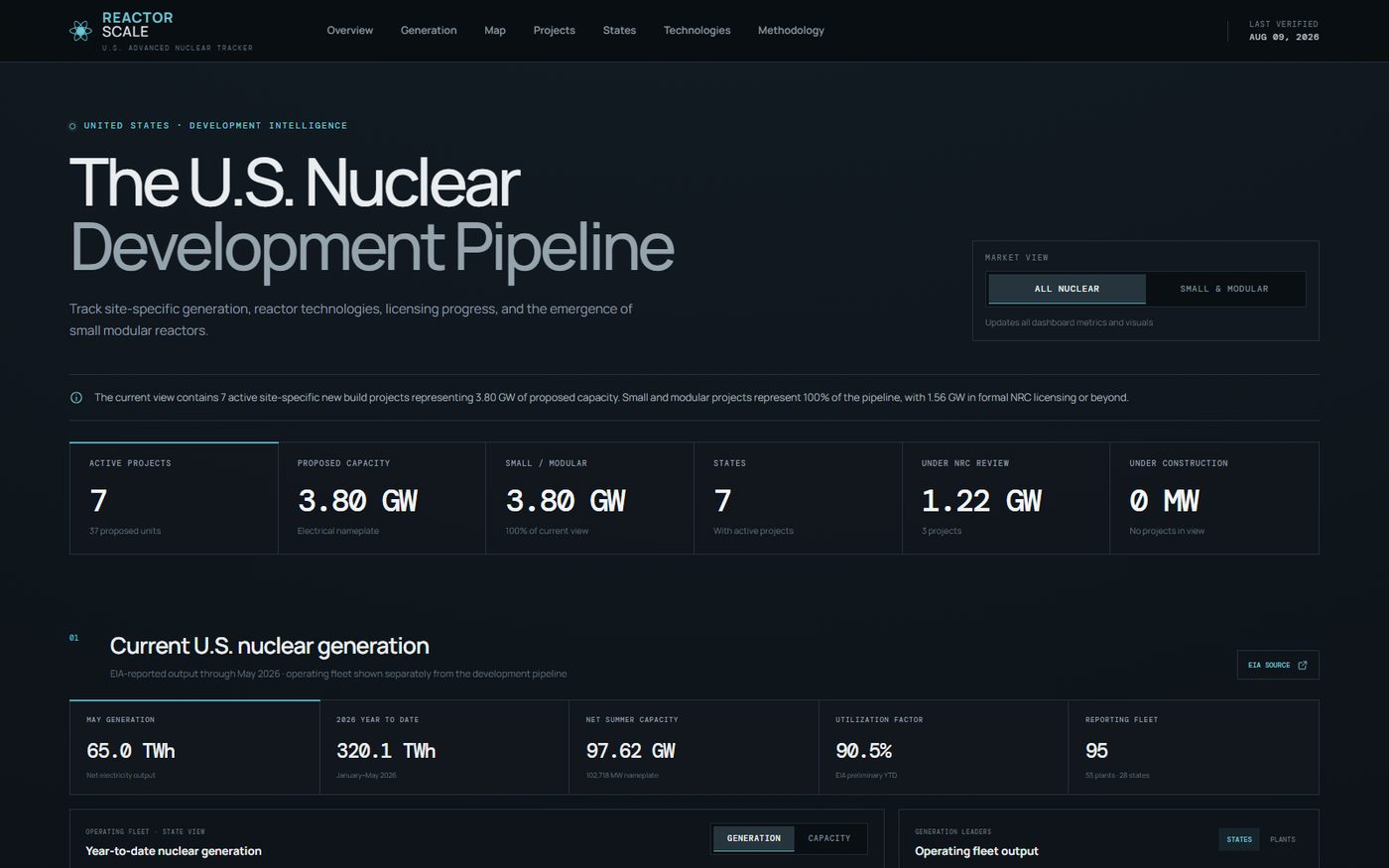
What is actually being built, separated from what is merely being designed.
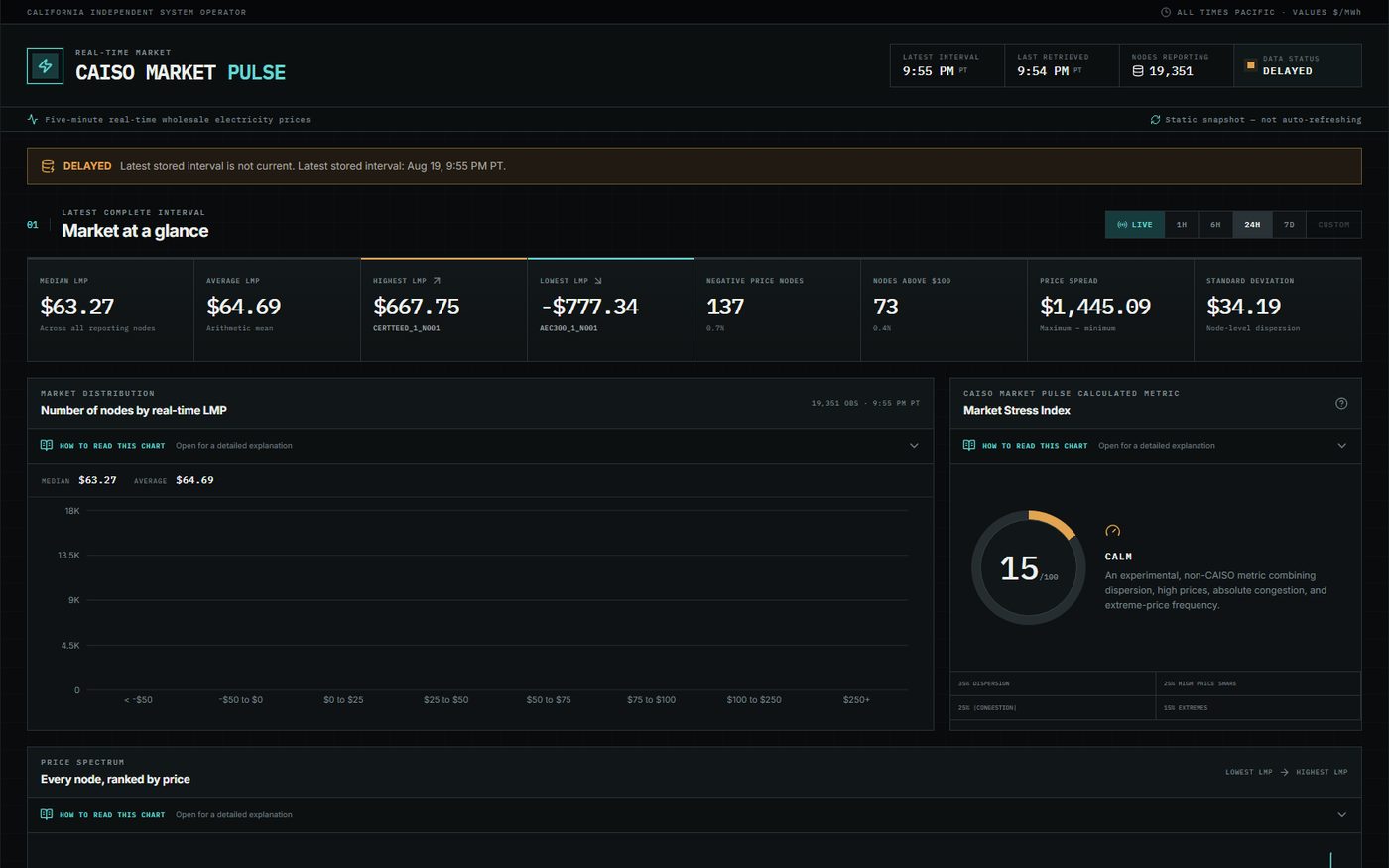
An exhaustive local terminal for California wholesale power — no sampling, no substitutes.
Everything else
Smaller builds and prototypes — procurement monitoring, language tools, and a historical simulation of my family’s island.
How I work
Separate what was observed from what was assumed. Most analysis quietly blends measured data with the analyst's own guesses, then reports one number. In GridArb, observed prices and assumed heat rates are colour-coded apart and the assumptions are exposed as controls — because moving one gas-basis estimate from $0.55 to $6.00 flips the headline spread from +$45.74 to −$8.76. A number that sensitive should never be presented as a fact.
Go to the primary source, and say where it came from. Every project reads directly from the operator or the agency — CAISO OASIS, NYISO, MISO, ERCOT, EIA-860/861/923, the NRC. No resold datasets, no scraped aggregators standing in for the real thing. Where sources are fused, each record carries its own provenance and each field its own lineage.
Publish the limitations next to the findings. Every dashboard states what it does not cover and where its data thins out. ReactorScale calls its registry a public-source seed, not exhaustive coverage. The data-center resolver reports recall as an order of magnitude, not a point estimate, because one label change moves it 55 points. Credibility comes from the caveats, not despite them.
Ship it, don’t describe it. Everything here runs. Live data on page load, deployed on infrastructure I set up and maintain, reachable from any browser without a login or an API key. A dashboard that only works on the author’s laptop has not been tested.
These are independent projects, built solo. I use AI coding tools heavily and deliberately — the analytical decisions, data sourcing, methodology and validation are mine; the implementation is a collaboration. I'd rather say that plainly than have you wonder.
Get in touch
I’m looking for work in energy market intelligence, utility and infrastructure strategy, or consulting — anywhere the question is hard and the data is messy.
- Email — Alexander.Sousa.John@gmail.com
- LinkedIn — linkedin.com/in/alexander-sousa
- Résumé — Request by email